Glucose syrup transport with delivery flow in mind
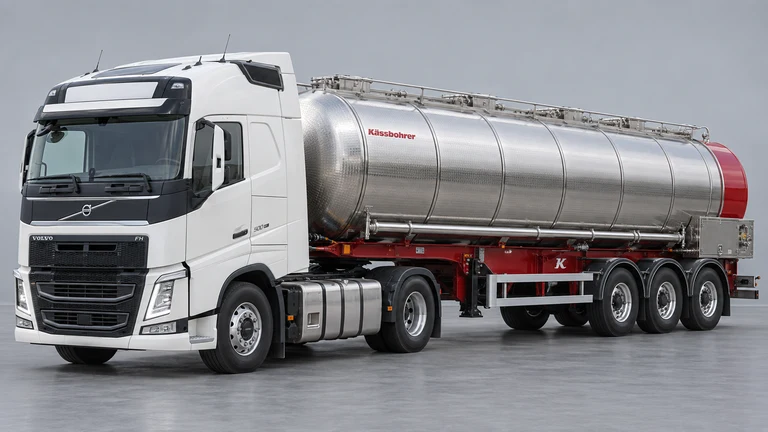
Glucose and fructose syrups need a food-dedicated tanker and a plan based on the manufacturer's product specification. We assess temperature, quantity and the receiving site's discharge arrangements together when coordinating a shipment in Türkiye.
- Tank use
- Food-dedicated and suitable
- Product data
- Grade and solids specification
- Temperature
- Manufacturer's requirements
- Delivery
- Viscosity and pump arrangement
Glucose syrup for food production
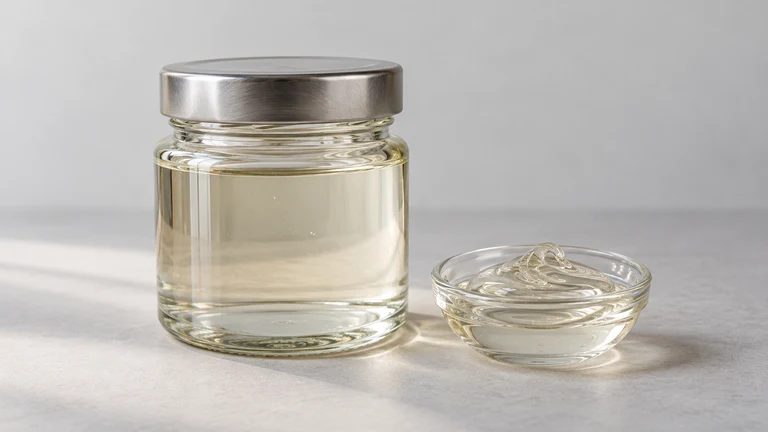
The product grade, solids specification and recommended handling conditions determine the transport assessment. Similar-looking syrups are not necessarily handled in the same way.
A syrup tanker must reach the receiving plant with a product that meets its acceptance conditions and can be discharged using the agreed equipment. Loading a syrup while it flows well does not, on its own, establish that it will remain suitable after transport and waiting. The product grade and the complete delivery schedule need to be assessed together.
We coordinate the carrier enquiry using the supplier's specification, required quantity and site details. The same description glucose syrup can cover products with different handling needs. For an international enquiry, route availability remains a separate question and must be established before any transport commitment.
1. Specify the syrup rather than only its trade name
State whether the cargo is glucose syrup, fructose syrup or another liquid sugar product, and provide the manufacturer's grade designation. Include the specified solids content, density and recommended transport or storage conditions. If the producer uses a Brix value, retain its stated measurement basis rather than assuming it is interchangeable with every solids specification.
The receiving plant may require a batch document, product specification or agreed quality checks. Identify those requirements before vehicle allocation. A confectionery factory and a beverage plant can have different receipt procedures, even if both accept bulk syrup. Changes of grade or supplier should therefore trigger a review of the shipment information.
2. Match a food tanker to the grade and journey
The tank must be dedicated to food use and acceptable to both sites. Consider the complete product-contact system, including valves, hoses, seals and any pump, as well as the main tank. Insulation may help preserve the agreed condition, but suitability depends on the actual product, journey and receiving temperature requirement.
If heating capability is requested, the carrier must check the equipment against the product instructions and operating arrangements. Do not assume that every insulated food tanker has active heating. The enquiry should state whether the supplier requires insulation, heating capability or a specific delivery condition so those are assessed as distinct requirements.
3. Plan for viscosity, cooling and possible delays
Syrup flow changes with product composition and temperature. The manufacturer should define the relevant handling range and any sensitivity to crystallisation or excessive heating. A single temperature quoted for all syrups can lead to the wrong equipment choice. Share the intended loading condition and the minimum or maximum delivery conditions specified by the buyer.
Build the schedule around the receiving appointment, expected driving time and plausible waiting. A tank loaded for immediate delivery may need a different assessment if the buyer postpones receipt overnight. If the plan changes, the supplier, recipient and carrier should agree how to proceed; reheating or a revised discharge method should not be improvised from a generic website description.
4. Assess payload separately from tank capacity
Concentrated syrup can reach a vehicle's permissible payload before using the full tank volume. Supply density with its reference conditions and specify the quantity in tonnes or litres. The actual tank's compartment arrangement, loading restrictions, vehicle mass and axle limits must be considered by the carrier. Empty tank space is not a reason to increase the agreed weight.
Agree the loading and receiving measurement method before transport. Weighbridge records, batch information and any agreed residual-product allowance should refer to the same shipment. Viscous product retained in the discharge system can affect reconciliation, so the commercial terms and site process should explain how quantities and any discrepancies are recorded.
5. Check cleaning and the entire contact system
Syrup residues need attention throughout the tank and discharge equipment. Ask for the cleaning record and previous-cargo information required by the buyer, and make sure they identify the actual tank. The receiving specification may also contain requirements for product segregation or allergen information. These should reach the carrier before an equipment offer is accepted.
Cleaning documentation is assessed together with tank history and site acceptance; it does not prove suitability for every product by itself. The loading team should follow its agreed inspection and release process. Seals and documented handovers support traceability, but they do not replace hygiene checks or establish the product's quality on their own.
6. Confirm the pump, connections and acceptance process
Ask whether the receiving plant provides the pump or requires one on the vehicle. Share the connection specification, hose distance, intake arrangement and expected product condition. Pump selection cannot be made from the word syrup alone: the product's viscosity and the site system need to be assessed together by the responsible equipment specialists.
Include the receiving team's quality checks in the delivery window. Document review, sampling, batch confirmation and release for discharge can take place before the storage tank is connected. Confirm that there is capacity for the load and a responsible contact available. An agreed appointment is useful only when the plant is also ready to receive the product.
7. Compare complete shipment arrangements
An enquiry should include quantity, shipment frequency, addresses, dates, tank preparation and any temperature requirement. Freight can also depend on empty positioning, cleaning availability and site waiting. A recurring programme should identify both the expected volume and the flexibility of delivery windows rather than assuming a permanently available tanker.
For a destination outside Türkiye, add buyer acceptance criteria, delivery terms and customs responsibilities. International carrier and route availability is still being researched. Written confirmation of equipment, scope and included costs is needed before a movement is agreed. The export preparation guide explains which information can be collected while those operational arrangements are being assessed.
Read the guide to preparing liquid cargo exports from Türkiye
Discuss a glucose syrup shipment
Send the manufacturer's specification together with the quantity and delivery conditions. Note any requirement for heating or a vehicle-mounted pump.
- Syrup type, manufacturer grade and product specification
- Solids information, density and measurement conditions
- Quantity and planned shipment frequency
- Loading condition and receiving temperature range
- Food-tank history and cleaning-document requirements
- Receiving pump, connections, appointment and storage capacity
Send your shipment details
WhatsApp and email open a message draft with this product selected. Add your details, review the message and send it when ready.
Please send shipment details in writing. International route availability is still under review.