Liquid chemical transport starts with product compatibility
Acids, alkalis, solvents and other liquid chemicals require an individual equipment assessment. We coordinate tanker enquiries in Türkiye using the current safety data sheet, product concentration, quantity and site conditions.
- Starting point
- Current safety data sheet
- Tank selection
- Material and product compatibility
- ADR
- Shipment-specific assessment
- Discharge
- Agreed site and equipment method
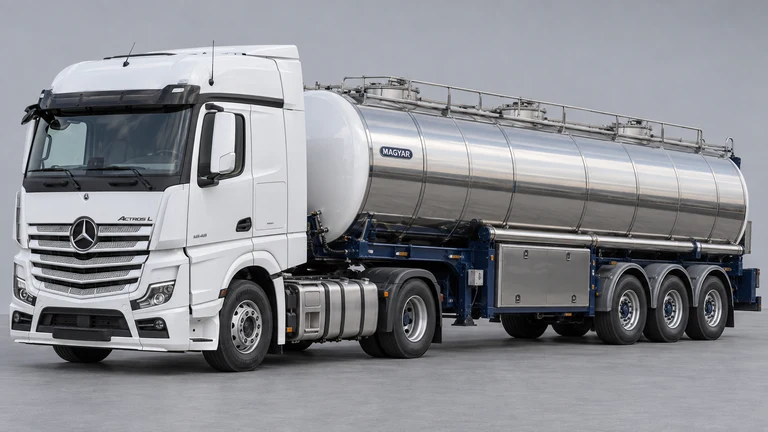
A chemical tanker is not a universal container. The product can affect the tank material, while residues or unsuitable equipment can affect the product. Concentration, temperature, additives and purity requirements matter alongside transport classification. Tank choice therefore begins with the actual substance or mixture, not a general category such as acid or solvent.
We bring the product information and site requirements into a carrier assessment. The review covers equipment, previous cargoes and the proposed route before a movement is agreed. These pages describe the information needed for planning; they do not approve a particular tank, replace a specialist classification decision or confirm international route availability.
1. Provide the exact substance or mixture
Send the full commercial and technical name, the supplier, concentration and a current safety data sheet, commonly called an SDS. Identify the version date and any product changes since an earlier shipment. If the material is a blend, a waste stream or an off-specification product, say so explicitly rather than using the name of one familiar ingredient.
The SDS transport section is a starting point for the UN number, proper shipping name, hazard class and packing group where applicable. Other sections and supplier information support the assessment of physical properties and incompatibilities. Missing or conflicting information must be resolved by the responsible parties; a carrier should not infer a transport classification from a product photograph or a short message.
A purity specification can be important even for a product not classified as dangerous for transport. Trace contamination, moisture or an unsuitable previous cargo may make the delivery unacceptable. Send the buyer's product-quality conditions together with the safety information so that both concerns are considered in the same equipment review.
2. Check material compatibility across the whole system
Possible equipment includes stainless-steel tanks and tanks with product-specific linings. None should be described as suitable for all acids, alkalis or solvents. Compatibility depends on the exact material, product composition, concentration, temperature and condition of the equipment. The tank manufacturer's information and the supplier's technical advice may be needed in addition to the SDS.
Extend the assessment to valves, seals, hoses, connections and pumps. A compatible tank shell does not make every component in the transfer path compatible. If a site requires a particular contact material, dedicated equipment or a specific connection, include that requirement in the enquiry and have it checked against the actual vehicle offered.
Temperature requirements are another selection factor. A product may need insulation or another approved temperature arrangement to remain within its specification, while another must avoid unnecessary heating. These conditions should be defined by the product supplier and reviewed for the proposed journey, including expected site waiting.
3. Review ADR requirements for the shipment
Where dangerous-goods rules apply, the classification, permitted tank arrangements, vehicle requirements, driver qualifications and transport documents must be reviewed together. A tank code describes part of the regulatory requirements; it does not by itself establish chemical compatibility or prove that every substance within a broad class can be loaded.
The exact entry, applicable provisions and current documents need to be checked by the responsible parties against the actual product and transport conditions. Do not transfer the UN number, tank code or orange-plate details from another product simply because both are called solvent or acid. Mixtures and changes of concentration can require a different assessment.
For an international enquiry, confirm the carrier's authority and route requirements separately from ADR equipment suitability. A compliant tank does not establish that a company can operate a particular cross-border route. Our international service scope remains under research and is not offered as a confirmed regular service here.
4. Review tank history and cleaning acceptance
The previous cargo and the proposed cleaning process affect both safety and product quality. Request the history information and cleaning evidence specified by the loading and receiving sites. Check that the records identify the arriving tank and relevant contact equipment. A record for another vehicle or an incomplete equipment description cannot resolve an acceptance question.
Some buyers require dedicated product service or restrictions beyond a standard cleaning record. Communicate these conditions before allocation so they can be assessed, rather than discovered at the loading gate. A completed cleaning operation does not automatically authorise every possible product change; compatibility and acceptance remain shipment-specific.
Chemical equipment is kept separate from the food-tanker arrangements described on this site. A chemical shipment should not be planned on the assumption that the same tank will subsequently carry edible oil or syrup. The next cargo and cleaning arrangements are part of the carrier's planning and must meet the applicable product requirements.
5. Assess weight, volume and site access
Provide the quantity in tonnes or litres, with density and its reference conditions. Dense liquids can reach a permissible payload with comparatively little tank volume; lighter liquids may be constrained by available capacity. The vehicle, axle limits, tank loading restrictions and proposed route must be considered together. A typical payload is not a promise for every chemical.
Share complete loading and receiving addresses, site access restrictions, appointment windows and any special induction requirements. Route planning also needs the product information and applicable restrictions. If a destination, quantity or grade changes after equipment has been considered, the earlier assessment should be reviewed rather than assumed to remain valid.
6. Agree loading and discharge responsibilities
State the site's proposed transfer method, connection specification and equipment responsibilities. Pump, pressure or gravity arrangements are not interchangeable options for every product. The tank, product and site procedures must support the agreed method, with any required vapour or emission arrangements assessed by the competent parties before dispatch.
Identify who checks documents, authorises the connection and releases the product at each site. The enquiry should include the receiving tank's available capacity, access to the agreed equipment and a responsible site contact. Unexpected equipment changes or an unavailable receiving tank need escalation to the parties responsible for the shipment, not an improvised unloading solution.
If the recipient cannot accept the load, agree the response with the shipper and carrier before changing the destination. A replacement site, return journey or storage arrangement may introduce different acceptance and transport requirements. Record who will authorise the revised plan and how the product will remain traceable.
7. Compare quotations for the same defined cargo
Freight enquiries should describe the product, equipment, preparation, addresses, quantity and dates consistently. Cleaning, empty positioning, special equipment, temperature arrangements and waiting may affect the price. Ask which costs are included, what assumptions the quotation uses and how changes to the cargo or receiving conditions would be handled.
For recurring movements, provide the expected shipment pattern and any product changes between loads. For exports, add delivery terms, customs responsibilities and the buyer's acceptance conditions. An initial discussion can identify missing information; final vehicle availability, permissions and service scope still need written confirmation before the movement is agreed.
Read the guide to preparing liquid cargo exports from Türkiye
Discuss a liquid chemical shipment
Start with the current SDS and the complete product name. Additional technical documents can be provided through the contact channel you choose.
- Product name, concentration, supplier and current SDS
- Transport classification and UN details where applicable
- Quantity, density and loading temperature conditions
- Both site addresses, dates and access requirements
- Tank materials, previous-cargo and cleaning restrictions
- Connections, proposed transfer method and equipment responsibilities
Send your shipment details
WhatsApp and email open a message draft with this product selected. Add your details, review the message and send it when ready.
Please send shipment details in writing. International route availability is still under review.