
Bitumen transport planned around the receiving plant
Bulk bitumen needs a product-specific temperature plan and a plant ready to receive it. We coordinate tanker enquiries in Türkiye using the binder grade, quantity, loading point and the receiving plant's equipment and delivery window.
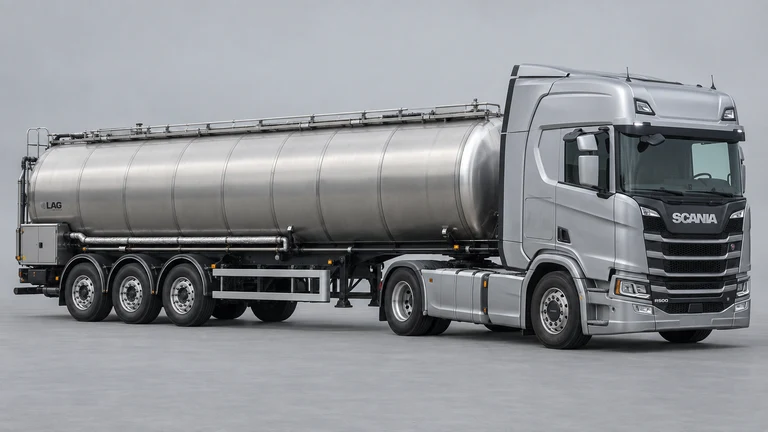
- Product
- Exact binder grade
- Equipment
- Suitable insulated bitumen tank
- Temperature
- Supplier and plant requirements
- Receiving site
- Capacity, connection and appointment

Bulk bituminous binder
This page concerns bitumen carried as a bulk liquid under the specified conditions. Hot asphalt mixture, bitumen emulsion and modified binders require distinct product information.
A bitumen shipment connects the supplier's release schedule with the asphalt plant's storage and production plan. A vehicle arriving outside the agreed window can face waiting while the product's condition still needs to be managed. The best starting point is therefore the complete delivery arrangement, rather than a distance and a tanker size alone.
We assess the request with contracted carriers using the product specification and both sites' requirements. The information below helps prepare an enquiry; it does not set an operating temperature or approve a loading or discharge procedure. International routes remain under research and require a separate feasibility assessment.
1. Distinguish bitumen from other asphalt products
State the exact binder designation supplied to the plant. Conventional paving grades, modified binders and bitumen emulsions are not interchangeable cargo descriptions. The number on a paving-grade specification identifies a product class, not a transport temperature. Send the supplier's technical information and current safety data sheet along with the order.
Hot asphalt mixture contains aggregates and is a different transport requirement from the bulk binder described here. If your enquiry concerns an emulsion, blend or another bituminous product, name it clearly and provide its own specification. Equipment and delivery conditions must be assessed for that product instead of copied from a previous hot-bitumen movement.
2. Assess an insulated tanker for the actual cargo
A suitable bitumen tanker must be assessed as a complete system: tank, insulation, connections, discharge equipment and any heating capability. An insulated tank limits heat exchange; it does not guarantee that every product will arrive at the same temperature regardless of journey length or waiting. Actual equipment and the shipment schedule need a combined review.
Where heating capability is needed, the carrier and sites must confirm the approved arrangement for the product and equipment. Do not assume that a general petroleum tanker has the required system. The tank history and loading-site acceptance conditions also need to be checked before a vehicle is allocated to the shipment.
3. Use product-specific loading and delivery conditions
The supplier's instructions and the receiving plant's specification determine the required temperature conditions. There is no single setting appropriate to all binders and journey arrangements. State the planned loading condition and the plant's acceptable receipt range, including any special requirements for modified products, so the carrier can assess the equipment and timing.
Include expected waiting at the loading site, driving time and the delivery appointment in the plan. If those conditions change, contact the responsible parties for a revised assessment. Additional heating is not a substitute for an agreed schedule or an authorised procedure, and delivery personnel should not be asked to improvise based on a generic temperature range.
4. Coordinate classification and site safety requirements
Hot bitumen presents thermal hazards and needs defined site procedures. Water contamination is a particular concern in hot-product systems. Tank and receiving-plant readiness, suitable equipment, trained personnel and the site's emergency arrangements must be addressed by the responsible parties before a delivery is accepted. This is part of planning, not a task to leave until the vehicle arrives.
Transport classification depends on the actual product and conditions, including temperature. The current SDS and applicable dangerous-goods rules should be reviewed for the correct documents, vehicle and driver requirements, markings and route restrictions. Do not copy the UN entry or markings from a different binder or assume that every emulsion has the same classification as hot paving bitumen.
5. Confirm the quantity and receiving capacity
Provide the required mass and the product information needed for the loading assessment. Tank capacity, vehicle payload, axle limits and product expansion are different considerations; a stated tank volume does not establish a universal delivery tonnage. The carrier and loading site must confirm the permissible arrangement for the actual equipment and product.
The receiving plant should confirm storage space for the load and the correct product destination before dispatch. Agree how the loading and delivery quantities will be recorded and keep the binder grade, batch or release reference and receipt documents connected. If the plant changes the order or tank allocation, update the transport plan before arrival.
Where an order covers several deliveries or more than one plant, identify the quantity and binder grade for each receipt. Do not treat a change of plant as only a route change: storage allocation, appointments and acceptance documents also need review. Keep the agreed delivery references available to the receiving team.
6. Confirm a prepared and supervised delivery point
Obtain the plant's delivery instructions, access route, connection specification and pump arrangement. Confirm that the agreed equipment will be available and that an authorised receiving contact will be present. A storage tank with free space is only one part of readiness; the transfer system, site acceptance and safe working arrangements also need to be in place.
Plan for the site's checks and release process, and provide a contact for changes to the appointment. Where equipment is unavailable or a requirement cannot be met, the responsible parties should resolve the issue before discharge. A delivery schedule must allow safe receipt and should not rely on bypassing the plant's checks to recover lost time.
7. Align the transport programme with plant demand
Road-building programmes can produce concentrated demand for deliveries. Share the expected frequency, daily or weekly quantities and how firm each receiving window is. A programme allows carrier availability to be investigated, but it is not a guarantee of a reserved vehicle. Confirm the arrangements for each agreed movement and communicate changes promptly.
Freight assessment includes distance, empty positioning, vehicle suitability, any temperature arrangements and loading or plant waiting. Compare quotations against the same grade and schedule, with included costs clearly stated. For exports, also provide the destination, delivery terms and customs responsibilities. International service availability has not yet been confirmed and must be established separately from the product assessment.
Read the guide to preparing liquid cargo exports from Türkiye
Discuss a bitumen shipment
Send the binder grade, loading point and plant details. Include the supplier's temperature instructions and the plant's acceptance conditions.
- Binder designation, product specification and current SDS
- Quantity and any planned recurring delivery programme
- Loading point and receiving plant address
- Loading condition and agreed receipt temperature range
- Plant storage capacity, connection and pump arrangements
- Ready date, delivery window and responsible plant contact
Send your shipment details
WhatsApp and email open a message draft with this product selected. Add your details, review the message and send it when ready.
Please send shipment details in writing. International route availability is still under review.